 |
 |
Resident Evil: The Evil and Fear That Resides in Every Man Dr. Kody W. Cooper
As director Zach Cregger puts it, the movie is only on the surface about a zombie apocalypse. The reboot is a noteworthy entry into the franchise not only because it is a well-made thriller/horror film that introduces the franchise to a new generation but also because of its deeply pro-fatherhood and pro-life message hidden under layers of metaphor.
|
| READ ARTICLE |
|
|
 |
Different Eyes: The Catholic Demon and the X-Men Matthew Malone
One of X-Men’s most fascinating characters is Kurt Wagner, the blue-skinned, demonic-looking mutant known as Nightcrawler. Beneath his fierce exterior is a character of Christian faith who inspires those around him to see the world through “different eyes”—a paradox that places him at the heart of the franchise’s most enduring questions about humanity, otherness, suffering, and the nature of the soul.
|
| READ ARTICLE |
|
|
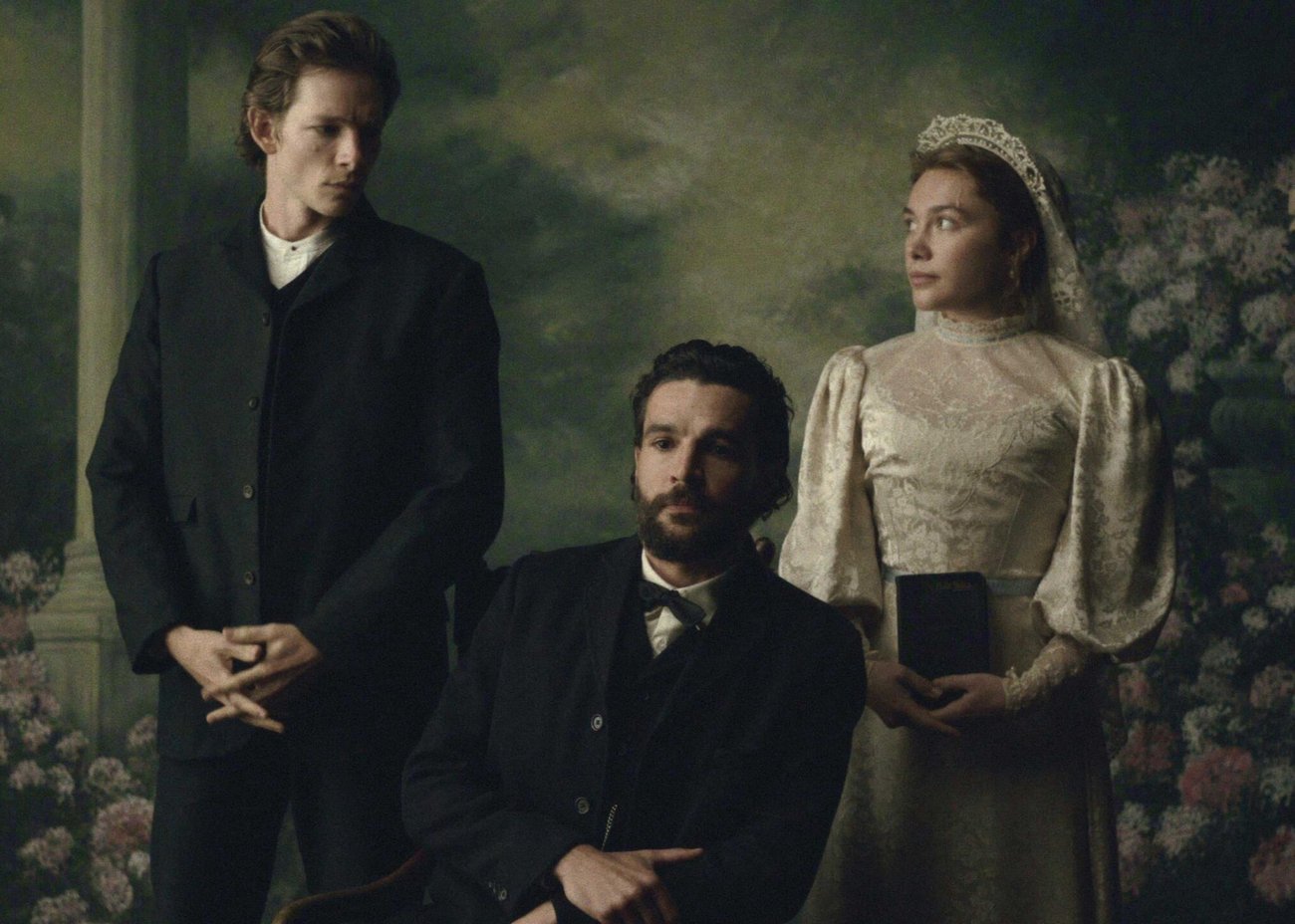 |
A New Adaption of East of Eden—Please Read the Book First Henry T. Edmondson III
Steinbeck’s novel is a retelling of the Genesis account of evil entering paradise and how, consequently, those who made it their home were ordered to leave by the Eastern Gate. The novel also deals with the reality of evil, the freedom to choose good or evil, and the possibility of overcoming evil and experiencing redemption over time. Will the Netflix release—as good as it might be—give people an easy opt-out of tackling the novel?
|
| READ ARTICLE |
|
|
 |
Potentiality and Sexual Ethics Henry Long
As college freshmen across the country begin their first weeks of classes, contentious debates around sexual ethics will arise in dorms, dining halls, and classrooms. Many will arrive at predominantly liberal campuses ill-equipped to defend their moral convictions. Learning about the concept of metaphysical potentiality will equip socially conservative collegians to more effectively defend traditional moral positions on abortion, gender, and sexuality.
|
| READ ARTICLE |
|
|
 |
St. Francis and Sister Death Dr. Hannah Barrett
This year, the Church celebrates the 800th anniversary of the death of St. Francis of Assisi. This time in the Jubilee year is an apt moment to pause and note the remarkable death of this even more remarkable saint. Why in “The Canticle of the Creatures” does Francis approach death—“from whom no one living can escape”—as a sister, a figure typically seen as comforting and caretaking? Francis’s manner of dying, as well as the “Canticle” itself, may provide insight.
|
| READ ARTICLE |
|
|
 |
The Politics of Envy and Contentment Henry T. Edmondson III
Socialism and its parent political philosophy, Marxism, condemn a world of “inequality.” At some point, this may stir up sentiments of envy on the part of the “have-nots,” as they see that they fall short of the “haves.” To be sure, Winston Churchill famously called socialism the “gospel of envy.” Some who run on a socialist platform rely on stirring up these sentiments. Given the precarious times in which we live, it is important to understand envy and embrace its opposite: contentment.
|
| READ ARTICLE |
|
|
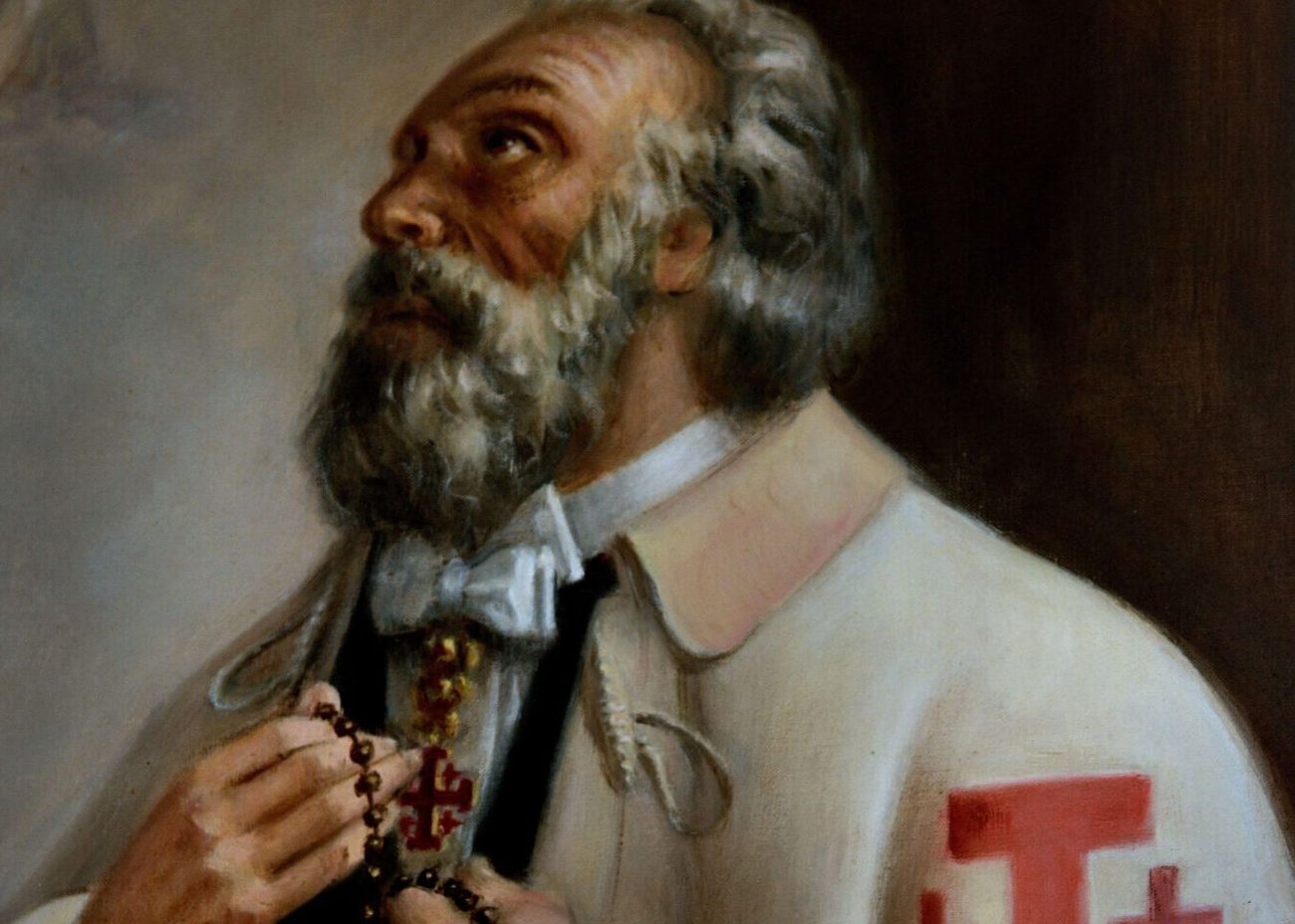 |
St. Bartolo Longo Transformed Pompeii Through the Rosary Margaret Peppiatt
In 1872, an Italian lawyer named Bartolo Longo visited Pompeii on a business trip. The superstitious beliefs and occult practices in the city appalled him. He himself had been involved in a Satanic group before his conversion, so he was very familiar with the danger of these practices. The field of Pompeii was evidently ready to be sown with the seeds of the Gospel, and God chose Longo to be the sower. How could God save a man who had once pledged his life to the devil?
|
| READ ARTICLE |
|
|
 |
The Words on the Tip of Your Tongue Jack F. Trent
Our words can lead us to life and communion, or they lead us to death and isolation—“Death and life are in the power of the tongue” (Prov 18:21). By engaging in conversation, we can enact true communion with our fellow man. Fr. Gregory Pine’s recent book Training the Tongue is an insightful manual aimed at leading us to become virtuous, communion-oriented speakers.
|
| READ ARTICLE |
|
|
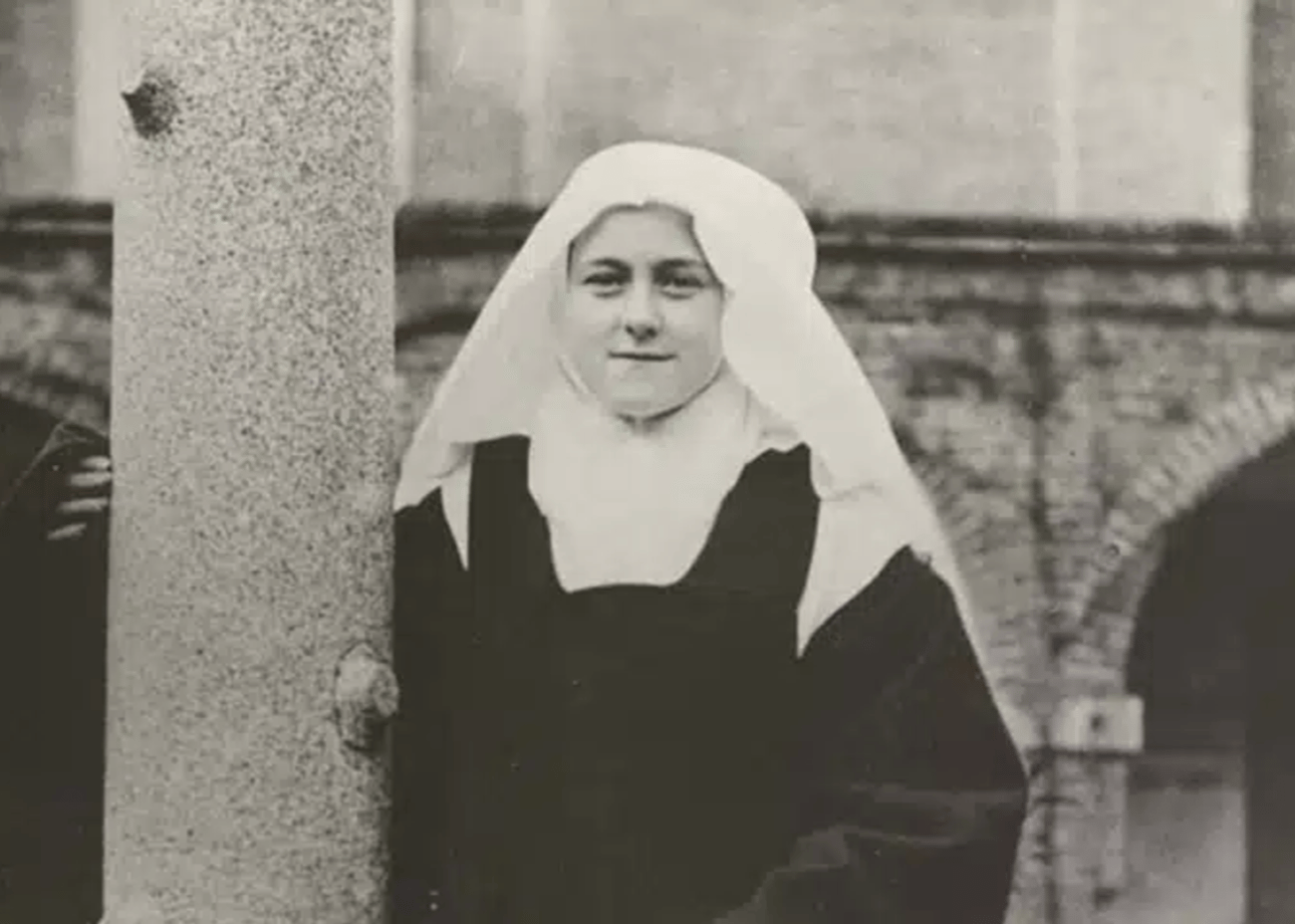 |
The Feast of the Little Flower, St. Thérèse of Lisieux Fr. Steve Grunow
At the heart of Thérèse’s understanding of the spiritual life is the principle that holiness can be appreciated and accomplished not only in the performance of mighty deeds but in a willing surrender to the purposes of God as we engage the seemingly ordinary experiences of life. This means that, for most of us, the possibility of communion with the holiness of Christ will be found in a hidden, unnoticed practice of receptivity to how Christ presents himself to us in the day-to-day circumstances of our lives.
|
| READ ARTICLE |
|
|
 |
THE COLLEGE BEAT: Article XVIII
|
Flannery O’Connor and the Spiritual Quest of Gen Z Fr. Damian Ference
Many young men and women of Generation Z, currently in their teens and twenties, are unapologetically seeking to quench their spiritual thirsts in traditional religion. Flannery O’Connor—who kept a prayer journal documenting her own spiritual journey during her early twenties—would not be surprised by the spiritual quest of Gen Z or by the fact that many of them are finding their place in her beloved Catholic Church.
|
| READ ARTICLE |
|
|
 |
Other Strange Vocations: Grace in the Witness of the Saints Mark Bradford
Rather than faulting one for their impairments, shouldn’t we be asking how God is calling this person through their impairment as a witness to grace—and allow ourselves to perceive how God’s grace is being revealed in or through them? We don’t have to go any further than the witness of the saints to see how God’s grace acts within the lives of those with “strange vocations.” Here are three examples in our Church’s rich history to illustrate the point.
|
| READ ARTICLE |
|
|



0 Comments:
Post a Comment
<< Home