 |
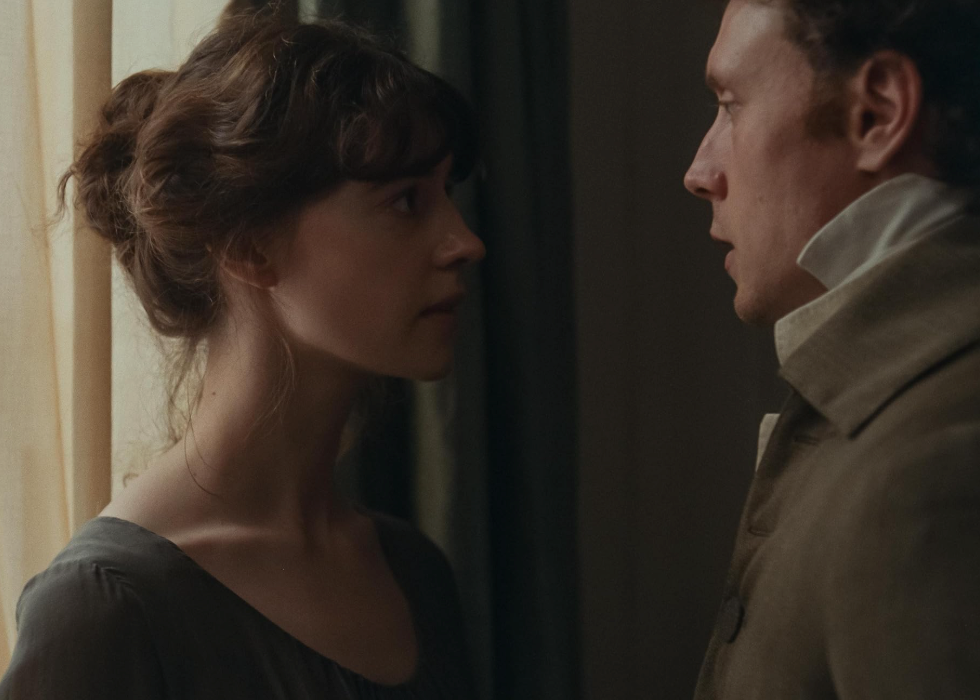 |
Pursuing ‘Sense’ and ‘Sensibility’ in Catholic Dating Nora Kenney Mittiga
Dating advice is having something of a renaissance, and much of it—from the rising (and surprising) popularity of Laura Doyle to Arthur Brooks’s recent prescriptions for finding a spouse—is surprisingly reasonable and relevant (especially for Catholics, who should be approaching the concept of vocation seriously). With that in mind, Jane Austen’s original delulu girl offers a useful test case for how much we’ve learned about the difference between romantic hope and wishful fantasy in the 215 years since the book came out.
|
| READ ARTICLE |
|
|
 |
Analyzing the Theological Arguments for Abortion Abolitionism Dr. Kody W. Cooper
For several years now, the so-called abolitionist movement in abortion politics was considered the fringe of a fringe. But it’s gaining traction. In the four years since Dobbs returned authority to legislate on abortion to the states, pro-lifers have continued to work incrementally as the abolitionist movement has called for abolition now by extending equal protection of state laws against murder to unborn children—and holding all parties to abortion criminally liable, including mothers. A recent debate spotlights key strategic cleavages dividing pro-lifers.
|
| READ ARTICLE |
|
|
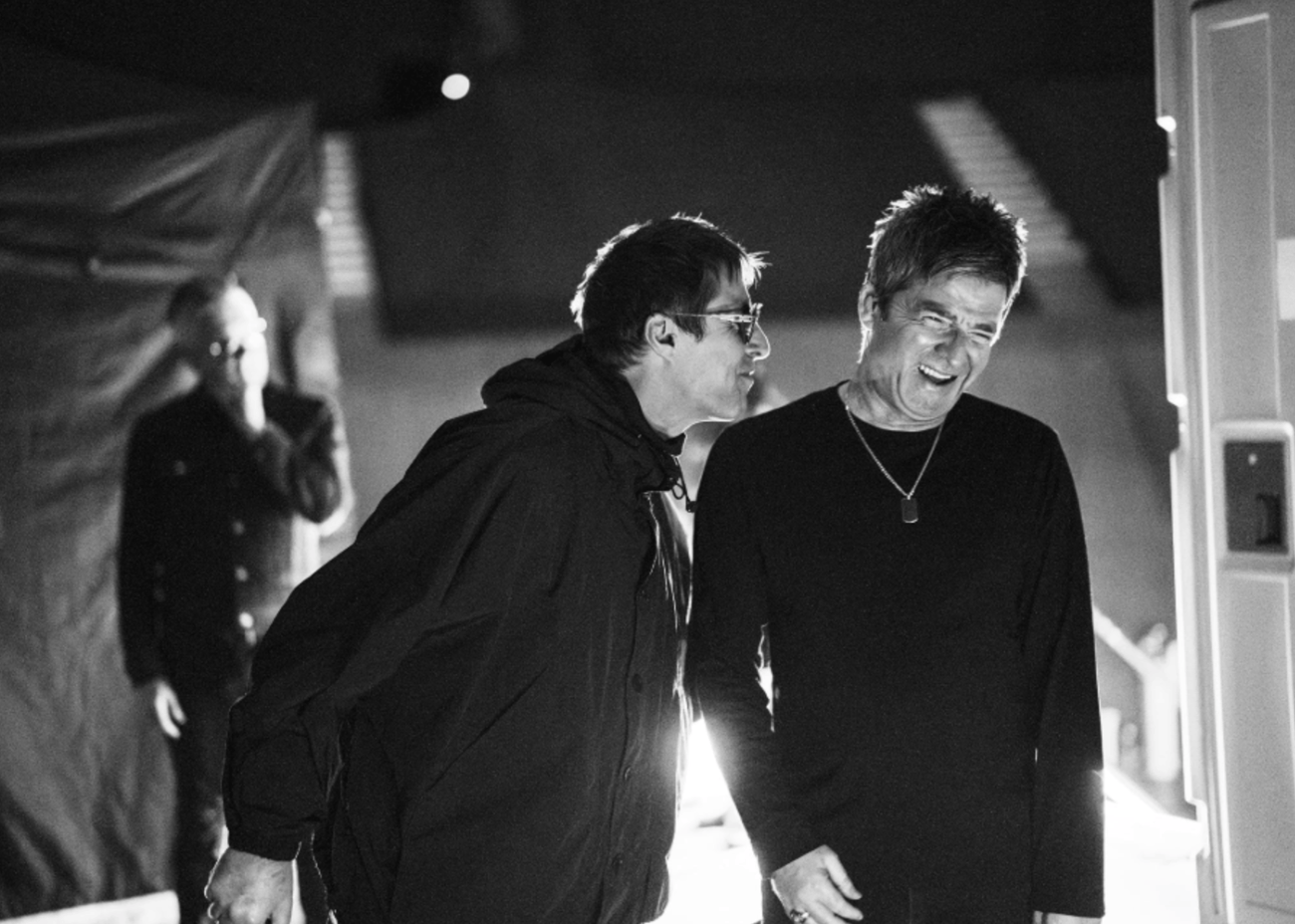 |
Don’t Look Back in Anger: The Power of Forgiveness Matthew Malone
With iconic singles like “Wonderwall” and “Don’t Look Back in Anger,” Oasis helped define the Britpop phenomenon and bring it to the international stage. Yet behind the extraordinary success lay a turbulent relationship between the band’s two central figures, brothers Noel and Liam Gallagher. Their bitter arguments and public feuds led to the band’s explosive end in 2009 and its prolonged estrangement that lasted more than a decade. The new documentary Don’t Look Back in Anger offers an intimate glimpse of the brothers’ incredible reconciliation.
|
| READ ARTICLE |
|
|
 |
Love in the Time of Acedia Daniel Fitzpatrick
Less glamorous than pride, not so sexy as lust, nestled deeper in the bloodstream than wrath, sloth—also known as acedia—has garnered significant attention in literary and theological circles in recent years. How could it be the besetting sin of the modern age? Sloth, St. Thomas says, is not simply laziness. It is no mere spiritual lassitude such as might possess anyone after a long morning’s work and a heavy lunch. Rather, sloth is, in its deadliest form, “sorrow for spiritual good.” Sloth is sorrow occasioned by God’s will. It is, in its final moment, sorrow for heaven itself.
|
| READ ARTICLE |
|
|
 |
After DEI? A Theological Exploration Robert P. George & Brandon Van Dyck
For a few years, the principles of diversity, equity, and inclusion were a source of explicit partisan division in the United States. Then the DEI label fell out of favor in light of concerns about the fairness of programs and policies being advanced under it. Now, most institutions are navigating a middle course, seeking to replace DEI—and what it represents—with a fairer, less divisive, and more effective set of values. Instead of merely defending or attacking DEI, contributors to the new anthology of essays After DEI? A Theological Exploration pursue the more difficult but ultimately more fruitful tasks of reconciliation and moral reconstruction.
|
| READ ARTICLE |
|
|
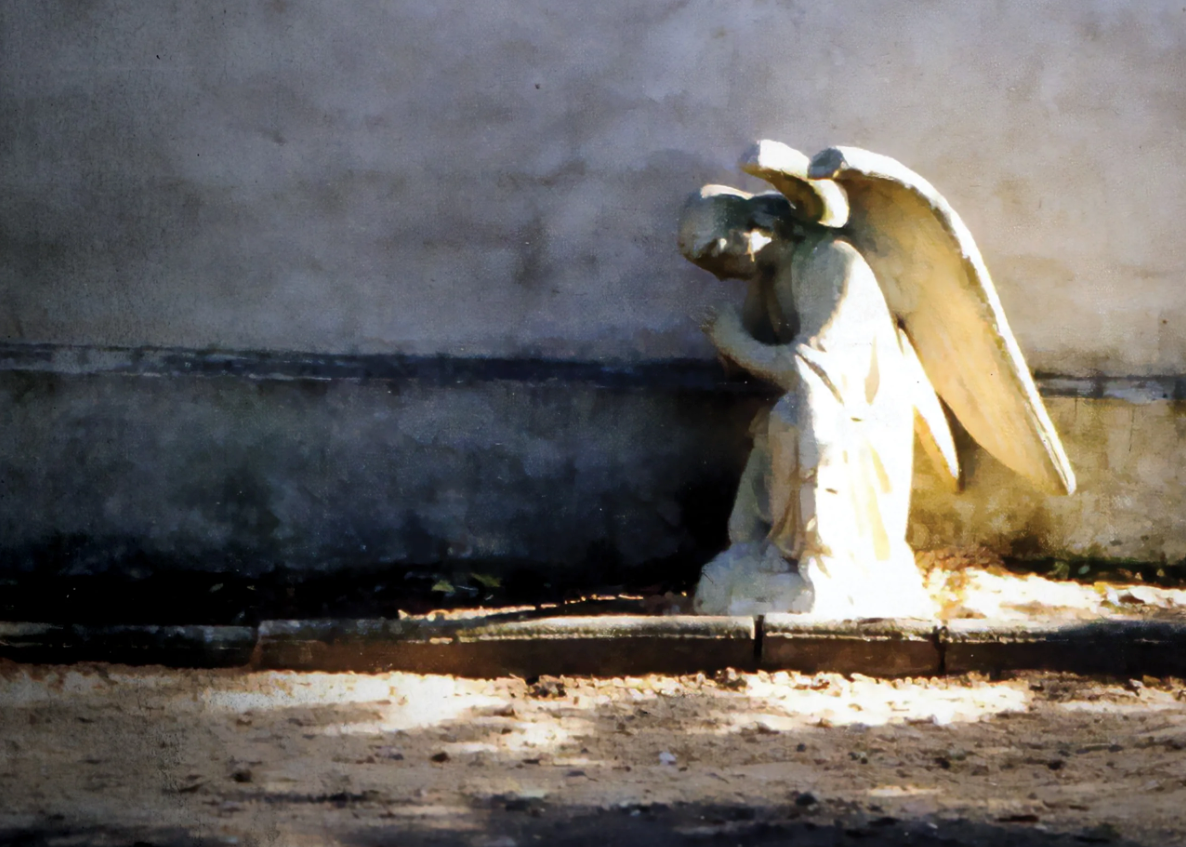 |
Spare Us Yet: Short Stories of Catholicism, COVID, and Cancellation Jonathan Mittiga
Lucas Smith’s collection is not a demand that God punish our enemies. It is not even a confident declaration that “we were right.” It is a prayer uttered by people who know the world is disordered, who suspect that they are disordered too, and who can only beg for mercy over judgment. The characters are not saints, and Catholicism is not a shallow evangelization device. Instead, faith sits quietly within each story, shaping how the characters confront their moral predicaments without necessarily resolving them. Each character reaches for it imperfectly in the search for truth.
|
| READ ARTICLE |
|
|
 |
The Danger of Turning the Exception of Family Into the Rule Noelle Mering
We never learn the characters’ names. They are simply the father, the mother, the son, and the sister. This invites us to see them as archetypes—as everyone’s parents. The particular family stands for the institution of the family and its pathology for something pathological in that institution. Andrea Bajani’s novel The Anniversary and the discussion surrounding it give literary expression to a view of estrangement long incubating: The family is a social structure imposed upon us, and its unchosen obligations are constraints we should eventually evolve beyond.
|
| READ ARTICLE |
|
|
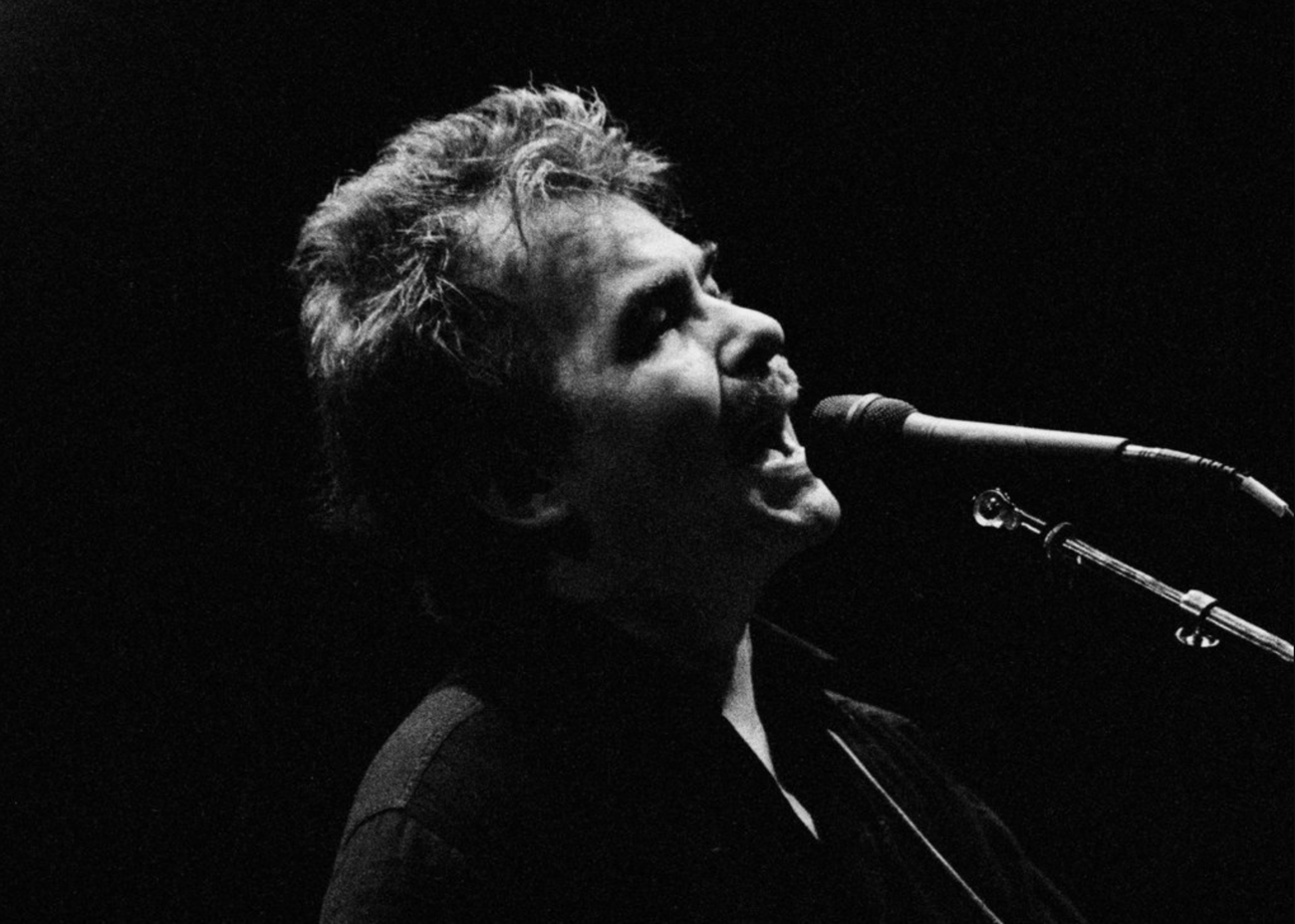 |
John Prine’s Beatific Vision Eric Cyr
“When I Get to Heaven,” the last song on his 2018 album, The Tree of Forgiveness, features Prine giving his dream of the afterlife. Despite his depiction of heaven looking very different on the surface from biblical or theological descriptions, some beautiful truths that lie at the heart of all human longing break through in Prine’s “vision” of heaven. In spite of himself, he reminds us that there is joy in the heavenly kingdom: joy that fulfills beyond what we can imagine or try to substitute on earth, joy in the fullness of reunion and communion with God.
|
| READ ARTICLE |
|
|
 |
THE COLLEGE BEAT: Article XIX
|
On Being Tamed by Great Literature Moira Gleason
The pages of my books bear the evidence of the time and patient effort I offered to them. In turn, each volume shaped my heart in subtle ways. Engaging with literature is not about cultivating an aesthetic or cramming information into your head to regurgitate at parties. It’s a process of love—taking the time to approach the mind of an author with humility, prepared to be moved and create ties. When we stop reading literature, we risk losing that capacity altogether.
|
| READ ARTICLE |
|
|
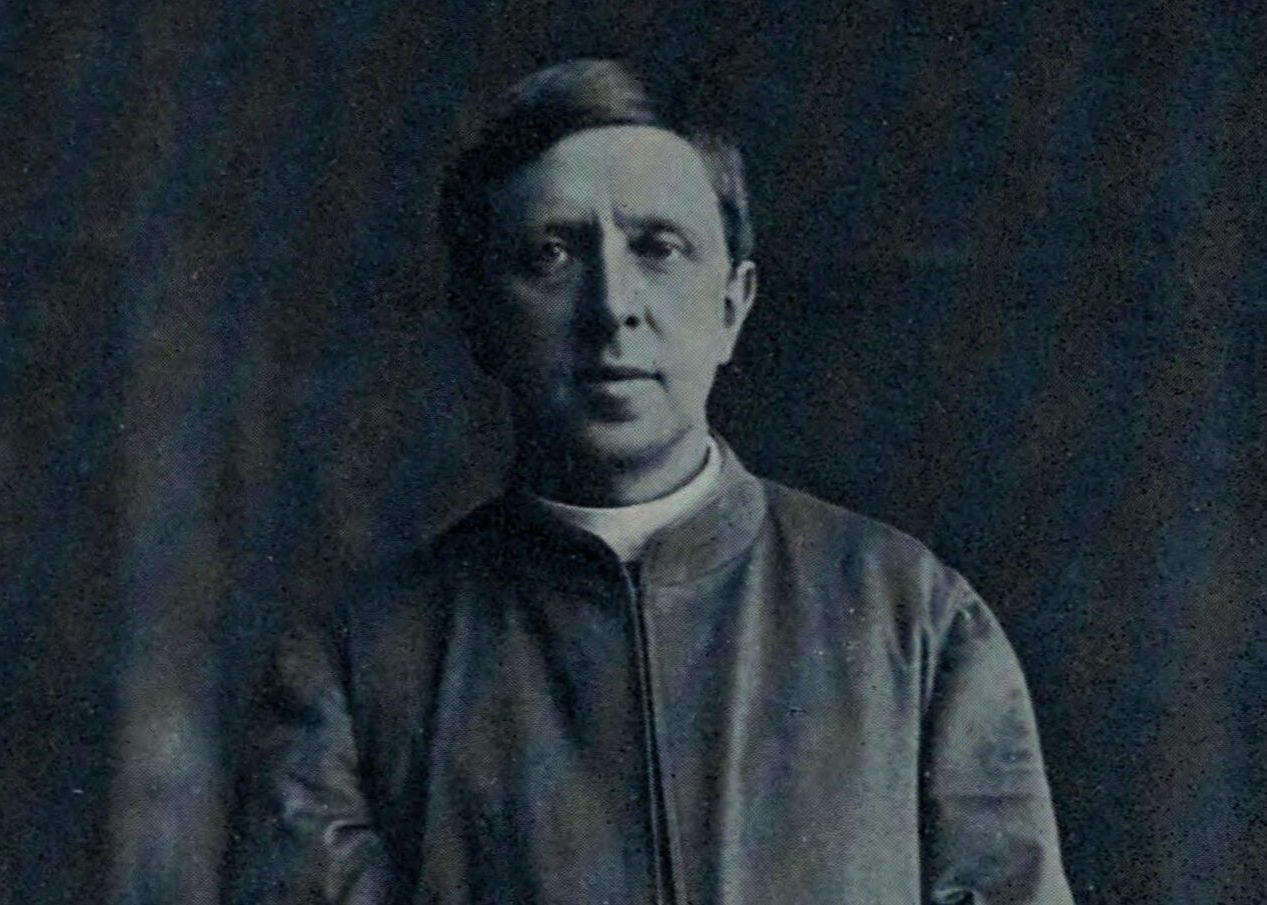 |
The Quiet Courage of Robert Hugh Benson Dr. Holly Ordway
Courage, the virtue which “ensures firmness in difficulties and constancy in pursuit of the good,” can be dramatic in its expression, but can also appear in subtle, quiet ways in ordinary life. We can learn a great deal from personal examples of courage and from its exploration by skillful novelists; the English Catholic author R. H. Benson gives us powerful instances of both. Benson is best known today for his 1907 science-fiction dystopia The Lord of the World, a book praised by Pope Francis, but there is much more to discover about his literary gifts and his personal story.
|
| READ ARTICLE |
|
|
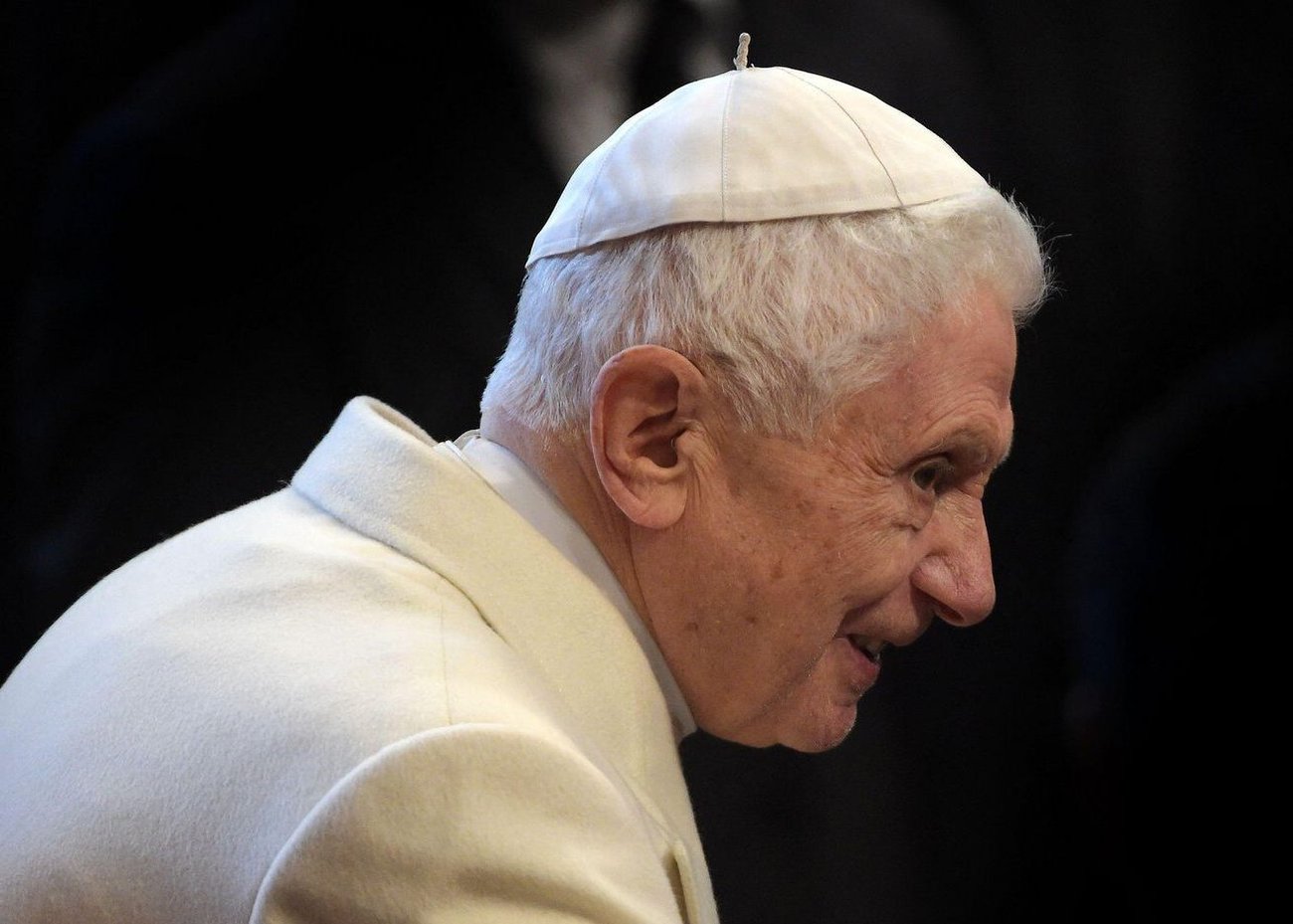 |
Recent Ratzingeria: A Scholar’s Top 10 Benedict XVI Reads Tracey Rowland
Rather than faulting one for their impairments, shouldn’t we be asking how God is calling this person through their impairment as a witness to grace—and allow ourselves to perceive how God’s grace is being revealed in or through them? We don’t have to go any further than the witness of the saints to see how God’s grace acts within the lives of those with “strange vocations.” Here are three examples in our Church’s rich history to illustrate the point.
|
| READ ARTICLE |
|
|
|
|
See More Articles from
Evangelization & Culture Online |
| MORE ARTICLES |
|
 |
 |
|
|
|
|
|
|